First Inning Odds & NRFI Betting MLB UK
 Available in US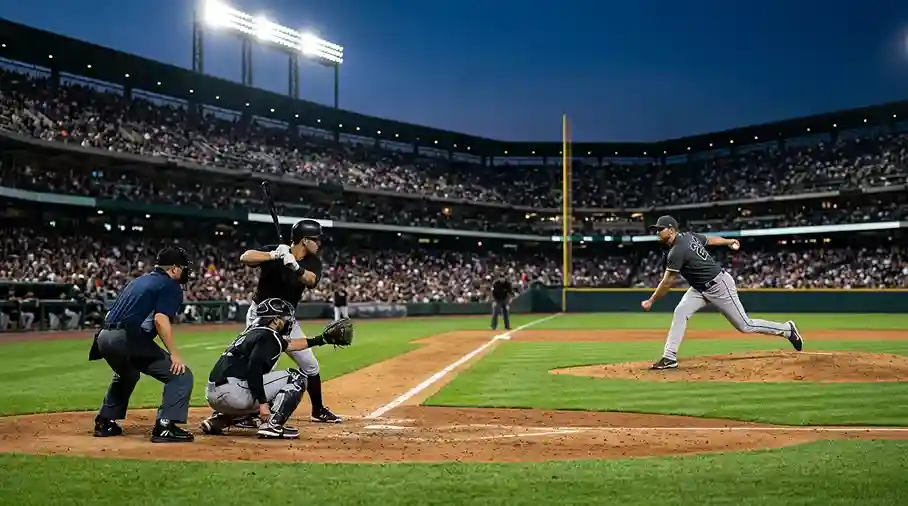
I have been pricing baseball markets for six seasons, and NRFI is the bet I see UK punters reach for most often when they want a fast settlement without committing to a full nine-inning narrative. The market is genuinely interesting. It is also genuinely misunderstood. People treat it like a coin flip with a slight edge to the under, when in fact it is one of the more sharply priced micro-markets on the slate, and the books know it.
What I want to do here is walk through how NRFI actually prices, what moves it, what its mirror – YRFI – really represents, and how the live version behaves once first pitch is in the air. By the end you should know whether NRFI deserves a slot in your routine or whether you are just chasing the dopamine of a market that settles fast.
Pricing Mechanisms for NRFI and YRFI Markets
Pull up a UK book ten minutes before first pitch and you will usually see NRFI sitting somewhere around 1.55 in decimal, with YRFI on the opposite side at 2.40 or so. Those numbers are not arbitrary. They are the result of two starting pitchers’ first-inning splits, the top-of-the-order hitters’ first-inning splits, and a small adjustment for ballpark and weather.
The base rate is the anchor. Across a full MLB season, roughly 73 per cent of first innings end scoreless. That figure has crept up slightly with the pitch clock era – average game time fell to 2:38 in 2025, third straight year at that pace, and shorter innings tend to favour the under at the start. So if you imagine a pure no-information market, NRFI should price around 1.37 in decimal before any margin is added.
What pushes the price out from that base is the matchup. If you have two ace starters on the mound – pitchers who routinely retire the side in order in the first frame – the line moves towards 1.45 or shorter. If one of them is a soft-tossing fifth starter facing a top-five offence, the line drifts towards 1.70 and beyond. The book is also baking in about four per cent of margin, which on this market sits primarily in the favourite side. Always check the implied probability of both options. If NRFI is 1.55 and YRFI is 2.40, the no-vig fair price for NRFI is closer to 1.62 – you are paying around four points for the convenience.
One thing to remember: the listed pitchers matter enormously here. If a starter is scratched two hours before first pitch, the entire matchup logic collapses. UK operators handle this differently – some void NRFI bets on a pitcher change, others treat them as action regardless. Read the rules before you stake, not after.
YRFI: The Mirror Market
YRFI gets less attention than its negative counterpart, which is part of the reason it is occasionally where the better value sits.
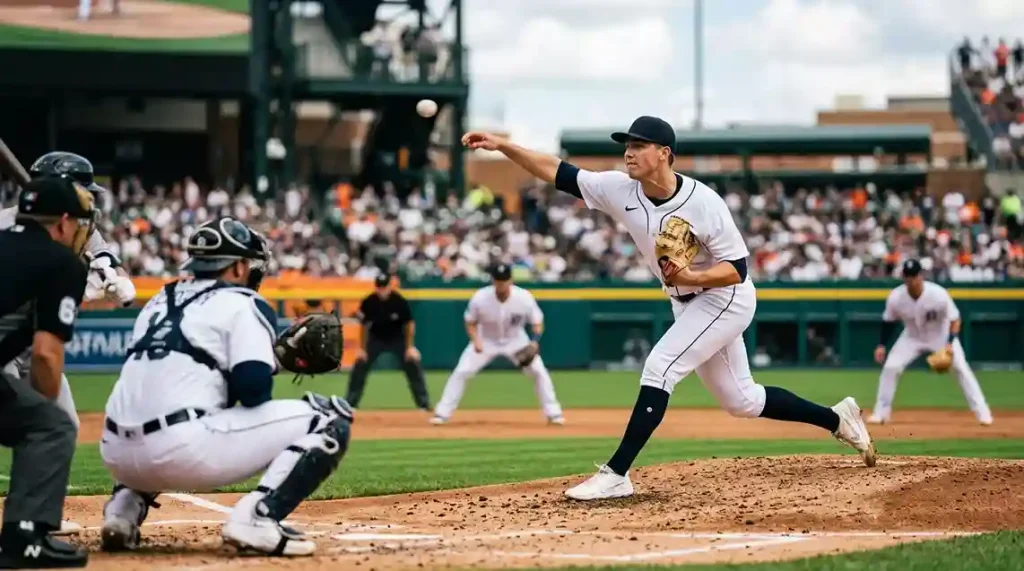
Yes Run First Inning is the same market viewed from the other side: any run scored by either team in the top or bottom of the first triggers a winner. A single solo home run, a walk-and-double sequence, even an unearned run on a leadoff error – all of it counts. People underestimate how unforgiving the YRFI price is because they fixate on the headline number. At 2.40, you are pricing a roughly 42 per cent implied probability, which sits comfortably above the actual occurrence rate of around 27 per cent.
The honest read is that YRFI rarely offers clean value at posted prices. Where it does occasionally show is in specific matchup spots – a fastball-heavy starter who works the zone aggressively against a top of the order that hunts heaters early, or a day game in a hitter-friendly park with a wind reading blowing out. Those spots get priced by the book too, but the dispersion is wider on YRFI than NRFI, which means the occasional pricing error is more likely to sit on the yes side.
I treat YRFI as a contrarian add to my slate, not a default. When I do play it, I want a reason that does not show up in raw splits – bullpen usage the night before, a starter coming off the injured list, a manager I know likes to script the first inning aggressively. Generic YRFI plays at 2.40 are how bankrolls evaporate.
Factors That Move NRFI Prices
The most reliable mover is starting pitcher quality, but it is not the only one. Here are the factors that actually shift the line, ranked roughly by how much weight I give each.
Pitcher first-inning ERA is the headline number, and it is published by most stat services. A pitcher with a sub-2.50 first-inning ERA over a full season is meaningfully different from one running 5.00 in the first and 3.50 thereafter – those guys exist, and they exist because some starters take an inning to find their command. Book that into the line.
Top-of-order quality is the second factor. The first inning is by definition when you face the best part of the opposing lineup – leadoff, two-hole, three-hole. If a team’s top three has elite on-base skills, the chance of a base-runner-then-extra-base-hit chain rises sharply. NRFI prices against the Dodgers’ or Yankees’ top three are routinely shorter than the headline pitcher splits would suggest, and that is correct pricing.
Weather and ballpark matter, but less than people think for a single inning. A 12 mph wind blowing out at Wrigley moves the YRFI side by maybe four or five points in decimal. It is real, but it is not a green light. The day-night split matters more in some parks – Camden Yards plays meaningfully different in afternoon games – and that one is worth checking.
Catcher framing and home-plate umpire tendencies sit at the margin, but they exist. A pitcher who relies on the edge of the zone paired with a catcher who steals strikes consistently is a tougher first-inning matchup than the same pitcher with a league-average framer. UK punters rarely factor this in, which is part of the reason the market is sharper than it looks.
Live NRFI: A Two-Minute Market
Live NRFI is one of the fastest re-pricing markets in MLB. Once first pitch is thrown, the book updates after every batter – sometimes after every pitch.
Live betting represented roughly half of all sports betting handle on mature markets in 2025, and within MLB it is even more concentrated in micro markets like first-inning outcomes. The reason is straightforward: the resolution horizon is short, the information environment changes pitch by pitch, and the price reacts visibly. Leadoff strikeout? NRFI drops from 1.55 to 1.38. Leadoff single? It jumps to 1.85. A two-out walk with a slugger coming up? It can drift past 2.50.
The trap in live NRFI is latency. UK streaming feeds on MLB.TV typically run several seconds behind the live market on most operator apps, especially during peak data load. That gap is enough for the price to move twice while you are watching the leadoff at-bat resolve. If you are betting live based on what you see on screen, you are usually a beat behind the book. The pros who play live NRFI are not watching the stream – they are watching the pitch-by-pitch data feed, which arrives faster.
For most UK punters, my honest advice is to use live NRFI sparingly. Pre-match is where the value lives, because pre-match is where you can do the work in advance. Live is where the books make their margin. There is room for both – if you want a deeper look at how live MLB pricing updates between pitches, the article on first five innings betting covers the related half-game logic that NRFI sits inside.
NRFI Questions UK Bettors Ask
NRFI is one of those markets that generates the same handful of questions every time it comes up in conversation. The two below are the ones that genuinely confuse people – the rest are usually answered by reading the operator’s rules page.
The first is about what a typical NRFI price actually looks like in decimal terms when you scan a slate. The second is about settlement when weather intervenes early – and the answer is less obvious than it should be.
What is a typical NRFI price in decimal odds?
On a balanced matchup with two competent starters, NRFI usually prices between 1.50 and 1.65 in decimal, with YRFI on the other side around 2.20 to 2.50. When you see NRFI shorter than 1.40, that is the book telling you both starters are dominant first-inning operators against a soft top of the order. Above 1.70, you are looking at a matchup the book sees as genuinely vulnerable to early scoring.
Does an NRFI bet settle if the game is rain-suspended in the first inning?
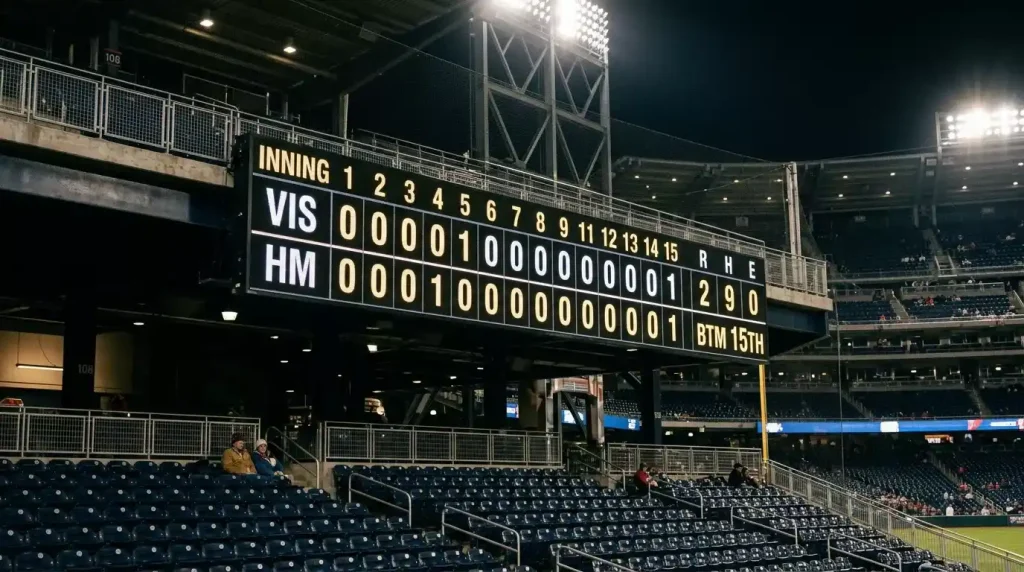
It depends on whether the first half-inning has completed. If the bottom of the first finishes scoreless and play is then halted, most UK operators settle NRFI as a winner. If the suspension happens mid-inning with the score still 0-0, the rule book of the specific operator decides – some void the bet, others hold it until the game resumes the following day. Read the operator’s settlement rules before you stake on weather-affected days.
This material was created by the Mound & Margin team.
Related posts
Unit Sizing & MLB Bankroll Management UK

Algorithmic Projections & MLB Handicapping Models UK