Strike-Zone Variance & MLB Umpire Impact Betting
 Available in US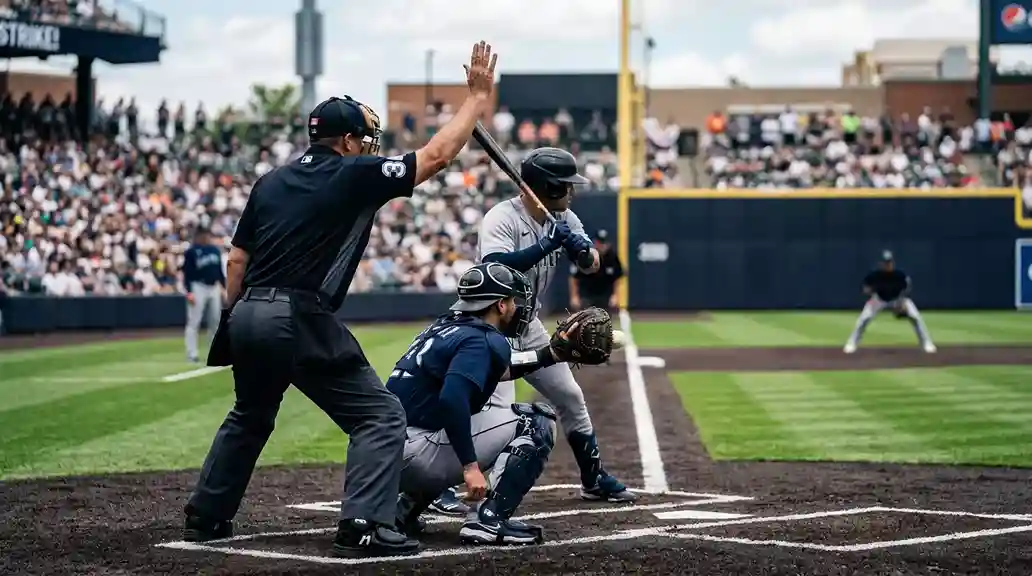
Umpire effects on MLB betting are real, persistent, and the corner of the analytical landscape where many casual punters underweight a genuine signal. The strike zone is the most fundamental constraint on every pitch outcome, and the umpire calling balls and strikes is the human variable shaping how that constraint is enforced. This guide walks through what umpire data tells you, what it does not, and how the markets actually price it.
Quantifying Strike-Zone Variance in MLB Pricing
Every home plate umpire calls a strike zone that varies in shape and size from the rule-book ideal. Some umpires call a wider zone, particularly on the outside corners. Some call a tighter zone. Some have specific quadrants – high zone, low zone, lefty corner – where they consistently expand or contract.
The cumulative effect of these variations on the run-scoring environment is meaningful. The widest-zone umpires in the league produce game-state outcomes with measurably more strikeouts and fewer walks than the tightest-zone umpires, working from the same starter and lineup matchups. The difference in expected total runs across the umpire spectrum sits around 0.2 to 0.4 runs per game, which is significant on a market priced to a tenth of a run.
Books integrate this data. Most major operators have access to umpire-specific zone metrics from the pitch-tracking systems that have been in place since 2008, and the closing totals lines reflect the umpire assignment as one of several inputs. The market is therefore not naively unaware of umpire effects. Where the inefficiency sits is in the speed and completeness of the integration – public bettors often anchor on the lineup-and-starter narrative and underweight the umpire shift, while sharp money corrects in the closing window.
Why Umpire Effects Are Real but Smaller Than People Think
The headline umpire statistics that circulate publicly – “this umpire gives up 9.8 runs per game on overs” – overstate the umpire’s contribution to game totals. The umpire is one input among many, and his strike zone affects roughly half the pitches in a game in measurable ways but does not by itself determine the run environment.
A pitchers’ duel umpire – one with a wide zone, a low strike, and a strikeout-friendly profile – paired with two bullpen-strapped lineups produces a low-scoring game. The same umpire paired with the Yankees and Dodgers in a hot summer game at Yankee Stadium with the wind blowing out produces a different outcome. Trying to extract umpire signal from full-game totals requires controlling for the matchup variables, and the controlled-effect size is meaningfully smaller than the raw averages suggest.
The honest framing is that umpire effects are reliable in direction (wide-zone umpires reliably lower totals, tight-zone umpires reliably raise them) but moderate in magnitude. A punter who treats the umpire as a major driver of totals pricing is overweighting the variable. A punter who ignores umpire data entirely is leaving genuine information on the table. The disciplined position is between those extremes.
Strikeout Props and the Cleaner Umpire Signal
Where umpire data has the cleanest betting application is on strikeout props rather than game totals. The reasoning is straightforward – the umpire’s strike zone directly determines the called strike rate, which directly determines the strikeout rate at the margin. The article on MLB strikeout props betting goes into the prop-pricing mechanics in more detail.
A starting pitcher whose stuff plays into a wide-zone umpire’s tendencies – a pitcher who lives on the outside corners and gets called strikes the rulebook does not strictly award – gets a measurable strikeout boost from that umpire assignment. The same pitcher with a tight-zone umpire loses some of those called strikes and the strikeout total drops correspondingly.
The effect on individual prop pricing can be substantial – 0.3 to 0.5 strikeouts on a typical 6.5-strikeout line, which is enough to flip the side of value on borderline plays. Public bettors typically do not consult umpire assignments before placing strikeout props. Disciplined punters do, and the resulting edge is among the more sustainable ones in the MLB landscape.
The Umpire Announcement Cycle
MLB announces home plate umpire assignments the morning of the game. The information becomes public usually around 11am Eastern, which is 4pm UK. This is hours before line release in some cases and just before line release in others, depending on the operator.
The closing-line movement on umpire-driven adjustments typically happens within the first hour after the announcement at sharp operators and over the rest of the day at public-facing operators. UK punters who track the announcement window can sometimes catch the market before it has fully integrated the assignment, particularly on totals and strikeout props at smaller operators.
This is one of the few cases where market timing produces edge that is mechanically attributable to a specific information event. Most line movement is gradual and continuous. Umpire-announcement movement is discrete and often delayed at public operators. The window between the announcement and the full market adjustment is typically a few hours, and the punter who is alert during that window can capture pricing that the market will subsequently move past.
Pitcher-Umpire Interaction Effects
Some pitchers benefit more from specific umpires than others. A four-seam-fastball-heavy pitcher who works the high zone benefits enormously from an umpire with a generous high strike. The same pitcher with an umpire who calls a tight high zone loses some of the called strikes on his primary pitch.
The reverse applies for sinker-ball pitchers, who depend on the low strike and benefit from umpires with generous low zones. Knuckleball and breaking-ball heavy pitchers depend on the edges of the zone and benefit from umpires who call generous outside corners.
The implication is that umpire effects on prop pricing should be pitcher-specific rather than uniform. The headline “this umpire is friendly to strikeouts” is too coarse – it needs to be combined with the specific pitcher’s pitch mix and zone preference to produce actionable insight. This is the level of analysis that the sharper end of the betting market actually does, and it is where the genuine edge sits.
Manager Ejections and Game-State Effects
A second-order umpire effect is the manager-ejection probability. Some umpires have higher historical ejection rates than others, and games with certain umpire-manager pairings carry elevated likelihood of mid-game disruption.
The betting impact of an ejection is small for totals and run lines because the new manager runs essentially the same game plan with the same personnel. The impact on game flow and on specific live markets – propositions about manager challenges, for instance – can be more meaningful, but these are niche markets at most UK-facing operators.
For the typical UK punter focused on pre-match markets, manager-ejection probability is interesting context but not a major pricing driver. The umpire-related variables that actually move money are the strike-zone variables described above, and those are where the analytical effort should concentrate.
The Bigger Frame: Integrity Monitoring and Officiating
MLB has been clear about where the league sees the structural risk in the wagering era. The most important undertaking and really the bedrock of the league’s relationship with the sportsbooks is the ability to monitor betting activity, and the ability to discern inappropriate patterns is critical – that framing came from the commissioner’s office during 2025 and it sets the context for umpire-related betting analysis.
The league monitors umpire performance against the automated strike-zone data on every pitch. Outliers – both in the direction of generosity and in the direction of strictness – get flagged for review. The umpire pool is small and the consistency of performance is monitored closely. The implication for punters is that umpire effects are stable in the medium term but the league is actively working to compress variance over time, with the proposed automated ball-strike system reaching the highest levels of testing during 2025.
Umpire Data and Betting Edge Questions
Two questions come up consistently when I explain how to integrate umpire data. Both have answers that work across operators and seasons.
Where can UK punters find umpire assignment data?
MLB releases assignments to the public the morning of each game, typically by 4pm UK. Several baseball-stats sites aggregate the announcements as they come in. The data is free.
Does the umpire effect carry into the playoffs?
The same variance exists but the assignment pool is smaller in the postseason and the league rotates only the highest-rated umpires. The systemic effect on totals is therefore compressed but still present in measurable form.
This material was created by the Mound & Margin team.
Related posts
Unit Sizing & MLB Bankroll Management UK

Algorithmic Projections & MLB Handicapping Models UK